What is steel waste?
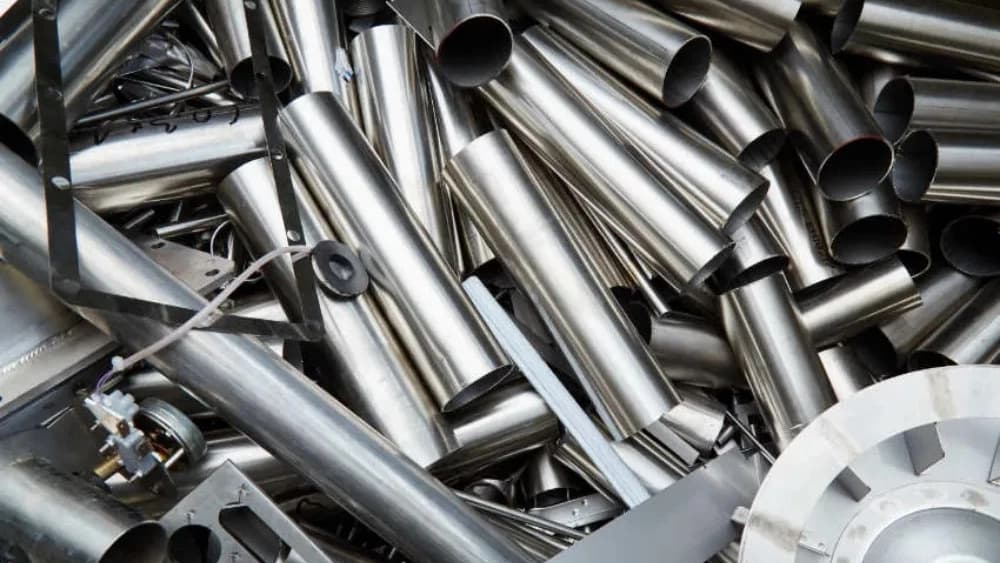
In the steel industry, it is very common to use steel waste as raw material for melting furnace. But for steel recycling, different things should be taken into account so that the production costs are not unreasonable and the yield increases. Steel waste is provided in different ways, each of which has specific characteristics and requires its own processes for recycling. Some of them are around materials and additions of production lines. For example, in a workshop, after the deep drawing process and the production of a sink made of 304 steel, there may be some extra steel sheet cut from the part. In this situation, the 304 steel sheet scrap can be used as a clean steel scrap and used again to produce 304 steel sheet.
Introducing a variety of steel waste
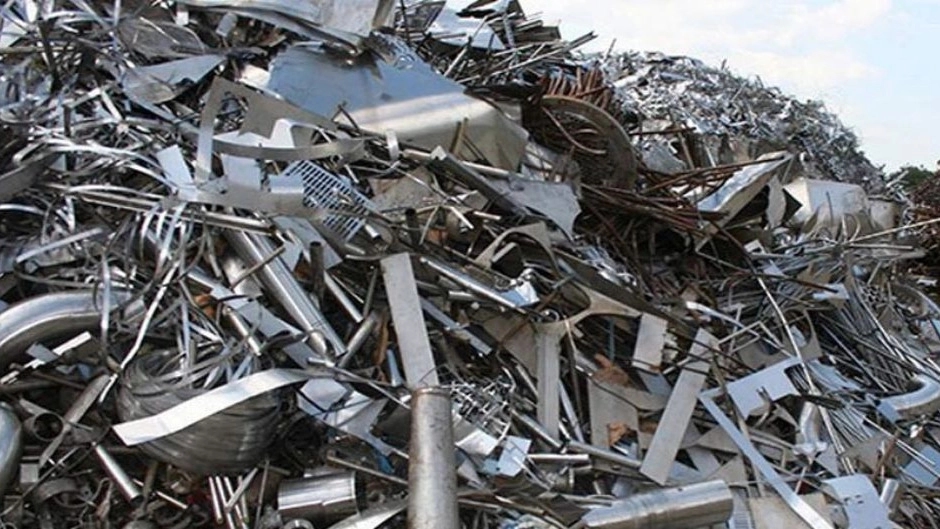
Some steel scraps come from used and discarded equipment such as tanks and piping systems. Others are machined shavings or scraps from various manufacturing processes. In using this type of waste, it should be noted that before melting these wastes, they must be cleaned so that impurities such as oils, lubricants, etc. do not enter into the melt because these materials can change the amount of some elements in the melt and cause that the cast ingot does not have standard quality. Some other steel scraps are defective, broken or destroyed parts that cannot be used, which can also be used for melting and recasting.
The chemical composition and grade of many steel scraps are not known. For this reason, it is important to separate steel waste. Those steel scraps whose grades are known can easily be used in steel smelting and casting factories. But for the rest of the waste, separation should be done with special and correct methods.
The benefits of recycling steel waste
Reduction of greenhouse gas and CO2 production: The most important advantage of steel waste recycling is reducing the carbon footprint and carbon dioxide gas production. To produce 1 ton of steel, using 10% scrap, about 4 tons of carbon dioxide gas is produced. Meanwhile, if 80% steel scrap is used, this number will decrease to nearly 1 ton.
Reduction of production costs: To produce steel using iron ore and alloying, many steps must be taken. First, the preparation of sponge iron, its melting in blast furnaces, degassing and decarbonization processes, etc. are among these steps. But if steel scraps are used, there is no need to go through these heavy processes and production costs can be reduced in this way. and resources: The production of steel from waste causes the use of natural resources to decrease. This does not mean that by recycling steel, the need to use mineral resources and energy will be much less. Because for alloying, it is necessary to add some elements to the melt so that the combination of elements reaches the required level.
Where are stainless steel waste?
As we said, the main use of steel waste is in steelmaking. By remelting steel scrap, it can be returned to the steel production cycle. Because the strength and longevity of stainless steel is high, it should be kept in mind that some stainless steel products manufactured from resistant grades may become waste after 50 years. So, with the long life cycle of stainless steel, it cannot be expected to provide all the feed for the steel production process from its scraps. But with all these conditions, today about 85% of steel produced in Europe and America and 30% of steel produced in China are obtained from recycling. On the other hand, according to global statistics, about 95% of stainless steel items return to the production cycle after the end of their life.